
The Power of PR Imagery: How to Cut Through Media Clutter with Visual Storytelling
"A picture says a thousand words" may be a cliché, but in public relations and strategic communications, its impact is undeniable. Here are some rules to follow when bringing technology concepts to life.
"A picture says a thousand words" may be a cliché, but in public relations and strategic communications, its impact is undeniable. Having spent years at Getty Images advising corporate, agency, and media clients on visual strategy and content marketing, I’ve seen firsthand how high-quality imagery transforms a brand’s story. This is especially true in complex, non-visual industries such as B2B technology. I’d argue that compelling visuals are essential to bringing technology concepts to life, which can typically feel abstract or hard to visualize.
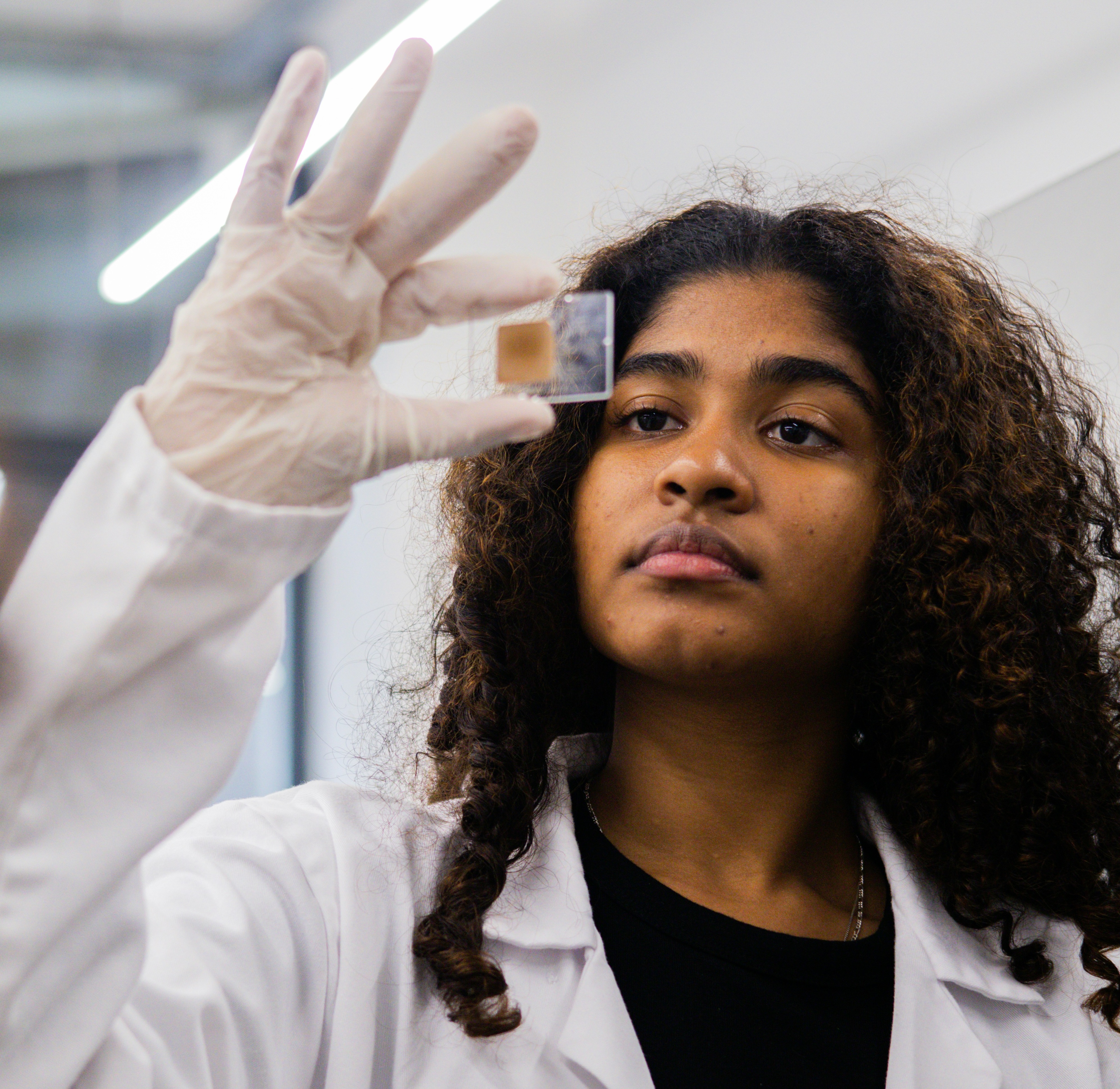
Building Trust Through Humanized Visuals
In evolving sectors such as AI, cybersecurity, and deep tech hardware, visuals play a vital role in building credibility and trust from an audience of potential customers, industry analysts, and the media at large. Research from Getty Images’ Visual GPS, a data backed visual research team, uncovers a revealing paradox. While 68% of [European] consumers view technology as essential to future success, nearly half (49%) feel anxious about society’s growing reliance on it.
This tension creates a visual challenge for technology brands. Abstract jargon and cold, isolated product shots can make innovations feel intimidating or impersonal. To bridge this gap and establish trust, technology companies should embrace a human-centered visual strategy, including when it comes to their public relations. Whether communicating about AI, cybersecurity, clean tech and sustainability, or anything in between, putting people at the center of imagery transforms complex innovations into relatable, reassuring narratives.
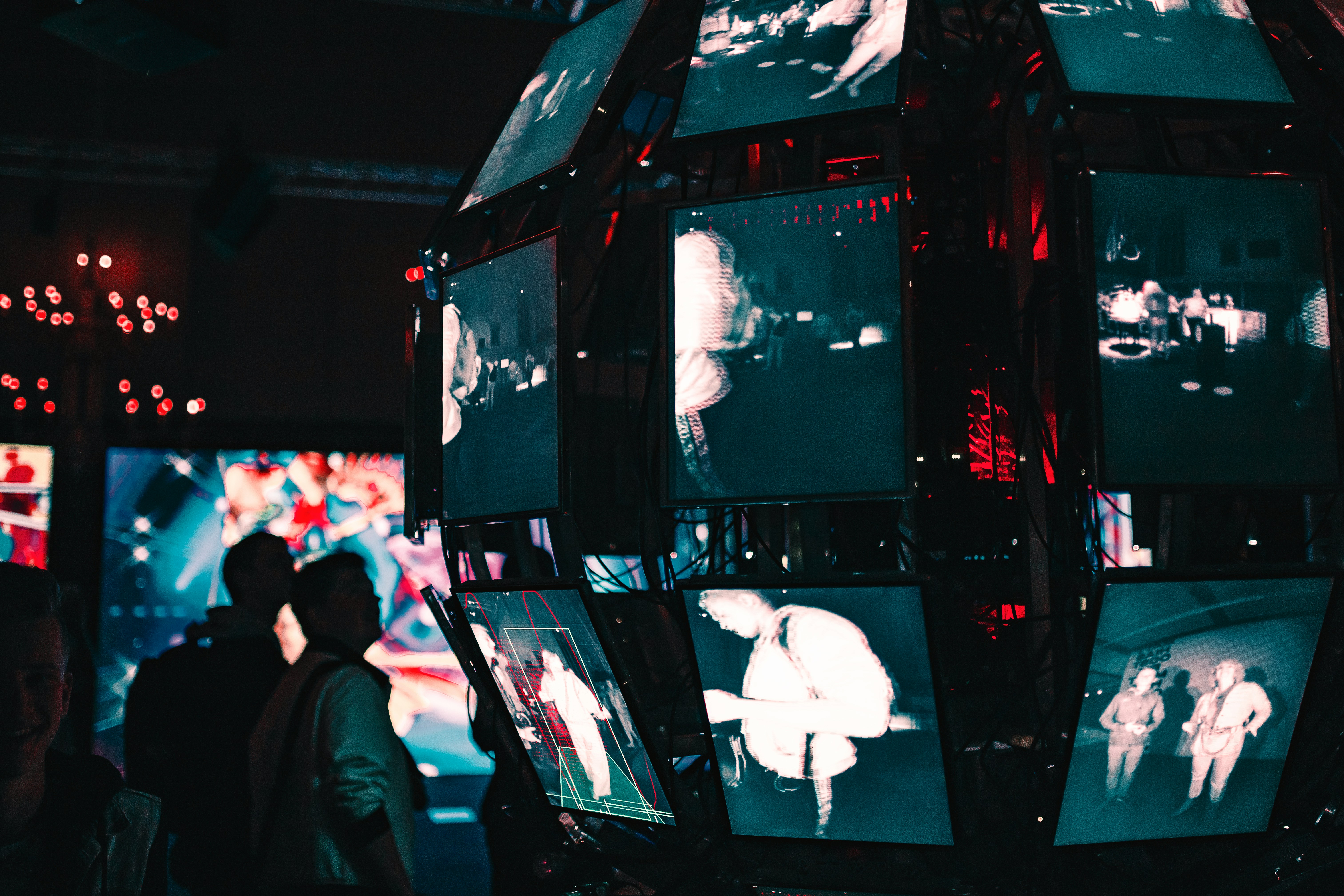
Choosing the Right Visual Format
Not all PR visuals serve the same purpose. Selecting the right visual format depends on the story you want to tell and the environment in which you’ll tell it.
Photography: Effective photography must convey a clear narrative through strong lighting, deliberate angles, and authentic context. For product announcements, show real people interacting with the technology rather than relying solely on hardware or software screengrabs. For corporate news and milestones, candid leadership and team photos highlight interpersonal relationships and company culture, showing your brand is more than a faceless entity. When posting on social media, take advantage of highly visual formats such as a multi-image gallery or a carousel option on LinkedIn to tell a deeper story around your announcement.
Video: While press releases call for static images, short-form video is a powerful asset for other outlets such as social media. A brief video clip of an executive explaining why a given piece of news matters adds authentic enthusiasm and executive visibility.
Infographics & Renders: CAD renders and infographics help illustrate complex technical milestones or data points. However, data graphics shouldn’t stand alone and we recommend pairing them with human-centric imagery to keep your narrative grounded.

The DIY Image Playbook
PR or communications professionals often find themselves capturing photos at industry events, keynotes, or trade shows. You don’t need a professional camera crew to capture a good photo; your smartphone can do the trick if you stick to a few basic rules:
Switch to a 16:9 Aspect Ratio: Most phone cameras default to a 4:3 ratio, which restricts your field of view. Adjust your default settings to 16:9 for a broader, more cinematic frame. Here’s a helpful video on how to adjust your this on your iPhone or Android phone.
Keep a Human Element: When capturing a product demo on stage or at an event booth, include human interaction such as a hand holding a device to create visual intrigue and context.
Use Built-In Editing Tools: Skip complex apps and instead use your mobile phone’s built-in editing settings. Simple adjustments to brilliance, shadow, temperature, and saturation can quickly elevate image quality.
Say No to AI-Generated Imagery: Real, imperfect photos build credibility by proving that your team, product, and company exist! Furthermore, many major media outlets explicitly ban AI-generated imagery, making authentic visuals a prerequisite for earning coverage.
The Bottom Line
In an overcrowded media landscape, strong visuals are not optional, they are the catalyst that earns media attention and builds long-term audience trust. By choosing authentic, human-centric imagery, you ensure your story makes a lasting impression before a single word is read.